

The Timeless Appeal of Board Games
Board games have been a staple of human interaction for millennia, evolving from the ancient Egyptian game of Senet to the modern complexities of Settlers of Catan. With an enduring appeal that spans cultures and generations, these games are more relevant than ever in today’s fast-paced digital society. While video games and online platforms dominate leisure time, the tactile and social elements of board games maintain their charm, offering a refreshing alternative to screen-based entertainment.
The Social Connection
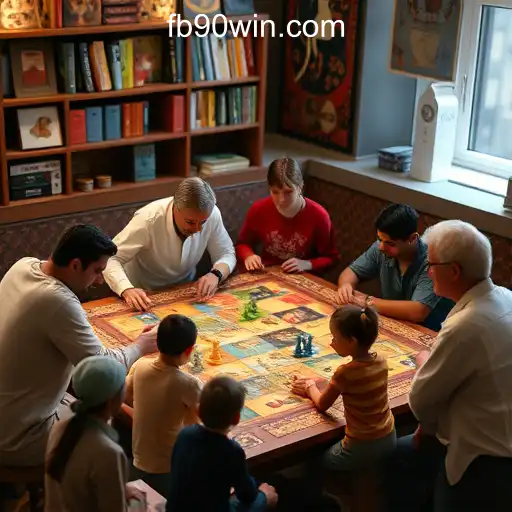
One of the primary reasons board games continue to thrive is their ability to bring people together. Whether it's family game night, a competitive game among friends, or a casual gathering at your local game café, these games encourage face-to-face interaction that is increasingly lacking in our digital world. The social aspect of board games is a critical factor that keeps them popular. They provide an opportunity to strengthen relationships and create shared experiences. Moments of laughter, strategizing, and sometimes friendly conflict make board games a unique tool for social bonding.
Diverse Range of Options
The board game market is incredibly diverse, catering to a wide range of preferences and age groups. From classic games like Monopoly and Scrabble to cooperative games like Pandemic and intricate strategy titles like Terraforming Mars, there is a board game for every taste. The diversity extends to thematic games, educational games, party games, and even those that blend digital elements to enhance gameplay. This wide array of options ensures that there will always be something new and exciting to discover.
Game Mechanics and Strategies
What keeps players coming back to board games is the challenge they present. Unlike many digital games, where success can sometimes be attributed to quick reflexes or sheer luck, board games often rely on strategy, critical thinking, and planning. Games like Chess and Go have revered reputations precisely because of the depth of strategy they require. Modern board games expand on these mechanics, incorporating cooperative elements, asymmetrical gameplay, and unprecedented levels of player interaction.
The Revival of the Board Game Renaissance
In recent years, we are experiencing what many refer to as the 'board game renaissance.' Crowdfunding platforms like Kickstarter have played a significant role in this resurgence, allowing independent creators to bring innovative new games to market without traditional publishers. This has resulted in a steady stream of fresh ideas and unique titles that continue to push the boundaries of what a board game can be.
Board Games in the Digital Age
Ironically, part of what has spurred the recent growth in board games is technology itself. Online platforms and apps have made it easier for players to learn new games, connect with others remotely, and even play digital versions of their favorite tabletop games. But while technology complements the board gaming experience, it is the physical element—the feel of the pieces, the look of the board, and the sound of dice rolling—that brings unmatched joy to many enthusiasts.
The Cultural Impact of Board Games
Board games have had a significant cultural impact, influencing other forms of entertainment, including film, literature, and even video games. Iconic games have been adapted into movies, and many fantasy novels draw inspiration from popular game themes and mechanics. Moreover, the resurgence of board games has led to the emergence of board game-centric cafes and bars around the world, turning gameplay into a social event.
Economic Considerations
The economic impact of board games should not be underestimated. The global board game market continues to expand, with an increasing number of indie publishers and small businesses benefiting from the boom. This industry supports countless jobs, from game designers to retailers, contributing significantly to local economies.
In Brazil, platforms like 90Win.com Oficial Slots Brasil #1 offer myriad opportunities for enthusiastic players to delve into a truly gratifying exploration of chance and strategy, providing a vast array of options not only in board games but across gaming in general. As games continue to evolve, platforms like these ensure that players always have access to the best in gaming entertainment.
Educational Value
Many board games are designed with educational purposes in mind, offering a fun way for children and adults alike to learn new skills. Games such as Catan Junior and The Game of Life teach planning and resource management, while Scrabble enriches vocabulary. In classrooms worldwide, teachers use board games as an engaging tool to enhance traditional learning methods, making education enjoyable and interactive.
The Future of Board Games
The future of board games is promising, with trends pointing towards ever-more creative and sophisticated designs. Themes are becoming more diverse and inclusive, reflecting broader societal changes. Game mechanics are constantly evolving, inspired by both traditional gaming concepts and new digital technology. The synergy between old and new ensures an exciting future for both creators and players.
In conclusion, board games hold a special place in our culture and continue to enjoy increasing popularity. Their enduring appeal lies in their ability to provide meaningful human connections, intellectual challenges, and hours of entertainment. As we look forward, it’s clear that board games will remain a beloved part of our lives, adapting and thriving alongside technological advancements.